
What is a Rimless Toilet and How is it Different From Normal Toilet?
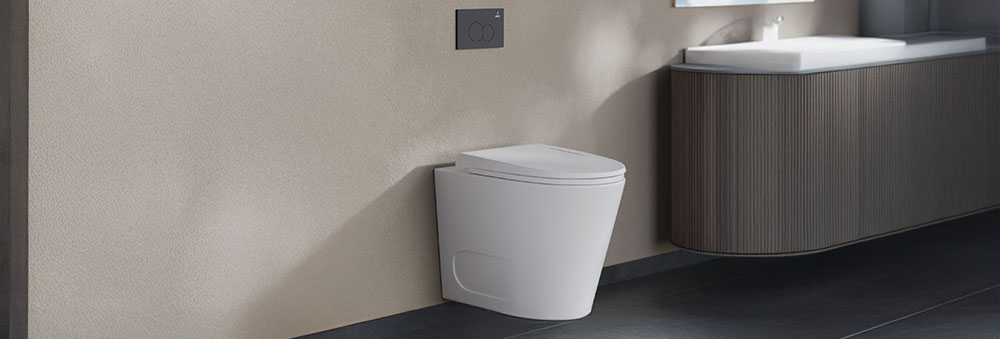
In today’s world, where health and hygiene have taken centre stage, every aspect of our living spaces is evolving to meet higher cleanliness standards. Bathrooms, being one of the most frequently used areas in any home, demand solutions that ensure optimal hygiene. Enter the rimless toilet, a revolutionary innovation in bathroom design. Unlike traditional toilets, rimless toilets are designed to prioritise cleanliness and minimise the growth of bacteria, making them a perfect choice for modern homes.
By eliminating hard-to-reach areas and incorporating advanced flushing technology, rimless toilets simplify maintenance and also contribute to a healthier living environment. In this blog, we’ll explore what is a rimless toilet, its benefits, and how it differs from traditional designs, offering a fresh perspective on achieving health and hygiene in the modern bathroom.
Rimless Toilet Vs Normal
| Feature |
Rimless Toilet |
Normal Toilet |
|
Design |
Sleek, minimalist design with no rim inside the bowl. |
Traditional design with a rim around the inner bowl edge. |
|
Hygiene |
Easy to clean and more hygienic |
Harder to clean and less hygienic |
|
Flushing Efficiency |
Direct flush system |
Flushing may leave areas under the rim unclean. |
|
Water Usage |
Advanced flushing systems lead to less water usage |
Uses more water for effective cleaning. |
|
Maintenance |
Low maintenance |
Requires frequent cleaning |
|
Aesthetic Appeal |
Modern and stylish |
Traditional appearance |
|
Cost |
Higher cost due to advanced technology. |
More affordable with a simpler design. |
Understanding the Rimless Toilet
The rimless toilet refers to a design in which the toilet bowl does not carry the traditional rim. This means that during flush, water flows around the rim edges. Unlike traditional toilets with hidden areas under the rim, which can be hard to clean, rimless toilets feature an open design that directs water around the bowl's edges more efficiently. This design of the rimless toilet provides thorough cleaning without leaving behind any germs and grime.
When considering a close-coupled rimless toilet, where the cistern is directly attached to the pan, this design is preferred over others in UK homes. Rimless toilets are making a shift from homes to five-star hotels because of their sleek design.
Rimless Toilet vs Normal Toilet
A traditional toilet has a rim under which dirt and bacteria build up and thus cleaning becomes cumbersome and ineffective. Whereas, rimless toilets are such that there are no hidden areas under which dirt and grime build up. Hence, the toilet bowl remains clean longer. The improved flushing system of rimless toilets spreads water evenly over the bowl for better hygiene and effectiveness.
Benefits of Rimless Toilets
1. Better Hygiene:
It becomes easy to clean the entire bowl effectively with less bacteria built up because of the rimless design.
2. Efficient Flushing:
The rimless toilet is a direct flush toilet that uses less water and maintains cleanliness.
3. Aesthetics
The sleek and flush design makes the rimless toilet add extra beauty to the overall appeal of a washroom and goes well in beautifully finished modern-style UK homes.
4. Eco-Friendly
Many rimless toilets are designed to use water in an eco-friendly manner. This is a perfect choice for people who prefer sustainability.
5. Variety of Styles
From wall-mounted styles to rimless commodes, there is a style that will work for any bathroom style.
What to Consider Before Buying a Rimless Toilet
Choosing a rimless toilet involves more than deciding whether you prefer its appearance. The bowl design, flushing mechanism, installation type and dimensions all affect how well the toilet works in your bathroom. Understanding these factors before purchasing can help you choose a model that meets your practical needs as well as your design preferences.
How Does the Flushing Mechanism Affect Performance?
A rimless toilet uses a specially designed water outlet and bowl geometry to distribute flushing water around the inside of the pan. Since there is no conventional enclosed rim, the flushing system must direct water effectively across the bowl while controlling its movement.
However, not all rimless toilets use identical flushing technology. Some designs use a guided flow that moves water around the bowl, while others incorporate a more directional discharge to help achieve effective coverage. The performance depends on the complete design, including the water outlet, bowl shape, available flushing volume and drainage arrangement.
When comparing models, look for information about flushing performance rather than relying on the rimless label alone. A well-designed system should remove waste effectively under the conditions specified by the manufacturer, without excessive splashing or requiring repeated flushing during normal use.
It is also worth checking whether the toilet has a dual-flush cistern. This allows users to select between different flush volumes, where provided, depending on the requirement. The actual water consumption will depend on the model's specifications and the flushing option selected.
Can a Rimless Toilet Splash During Flushing?
One concern some homeowners have is whether removing the traditional rim makes a toilet more likely to splash. The answer depends on how the individual toilet has been engineered.
A rimless toilet is designed to direct water around the bowl in a controlled manner. The shape of the ceramic pan, the position of the water outlets and the force of the incoming water all influence the result. A suitable design can provide effective bowl coverage while managing splashback.
This is why it is important to consider the flushing system as a whole rather than assuming that all rimless toilets behave in the same way. Product specifications, manufacturer guidance and reliable product demonstrations can help you assess the design before buying.
If you are replacing an existing WC, check that the new toilet is suitable for your home's plumbing arrangement and the manufacturer's stated operating conditions. Water supply characteristics and the installation itself can affect performance, so a toilet should not be selected on appearance alone.
Are Rimless Toilets Suitable for Small Bathrooms?
Rimless toilets can work well in compact bathrooms, en-suites and cloakrooms, but the absence of an internal rim does not automatically mean the toilet will occupy less space. The overall dimensions depend on the pan, cistern arrangement and installation format.
A wall-hung rimless toilet can create a more open visual appearance because the pan is suspended above the floor. This arrangement can also make the floor underneath easier to clean. However, it requires a suitable concealed frame and cistern system, which should be planned before the wall is finished.
A back-to-wall rimless toilet is another option. The pan sits on the floor while the cistern and associated pipework can be concealed behind a wall or suitable furniture unit. This can produce a streamlined appearance without using a wall-hung installation.
For a more conventional arrangement, a close-coupled rimless toilet may be suitable where the cistern connects directly to the pan. Before choosing any format, measure the available width, the projection from the wall and the clearance around the front and sides of the toilet.
Explore the toilet collection to compare different installation formats and identify a design that suits your available space.
What Should You Know About Water Efficiency?
Water efficiency is an important consideration when choosing a new toilet, particularly for households looking to manage water consumption over time. However, a rimless design does not automatically guarantee lower water usage.
The amount of water used depends on the flushing mechanism, the cistern configuration and the specified flush volumes. Some modern toilets are designed to achieve effective flushing with carefully controlled water distribution, but performance and consumption vary between models.
A dual-flush system can provide flexibility by offering a reduced flush for liquid waste and a larger flush when required. To understand the potential savings, check the manufacturer's stated consumption figures for both settings.
It is also useful to consider household habits. Repeated flushing because of poor performance can undermine the benefits of a lower-volume system. Selecting a suitable model and ensuring that it is installed correctly are therefore important parts of achieving efficient operation.
When comparing toilets, review the technical specifications rather than assuming that every rimless model offers the same water-saving benefits. Choose a system that balances effective flushing, practical operation and the water consumption stated by the manufacturer.
How to Maintain a Rimless Toilet Properly
Although rimless toilets can simplify cleaning, they still require regular maintenance. Their open bowl design makes internal surfaces easier to access, but it does not eliminate the need to remove limescale, stains and everyday deposits.
For routine cleaning, use a toilet cleaner and cleaning tools that are compatible with the manufacturer's instructions. Pay attention to the areas around the water outlets, where mineral deposits may gradually affect water distribution.
In areas with hard water, limescale can accumulate more quickly. Cleaning the bowl regularly can help prevent deposits from becoming difficult to remove. Use suitable descaling products only where permitted by the manufacturer, and avoid mixing cleaning chemicals.
The external surfaces also deserve attention. Clean the seat, hinges, flush plate and surrounding ceramic surfaces as part of your normal bathroom routine. Abrasive pads and unsuitable chemicals can damage finishes or components, so follow the product's care instructions.
If water begins to flow unevenly during flushing, inspect the accessible bowl surfaces for visible deposits. Persistent problems may indicate a blockage, a flushing mechanism issue or another plumbing fault. Avoid dismantling internal components unless the manufacturer specifically permits it.
Is It Easy to Replace a Traditional Toilet with a Rimless Model?
Replacing a conventional toilet with a rimless version can be relatively straightforward when the new model is compatible with the existing installation. However, the amount of work required depends on the toilet type and the condition of the plumbing.
Before purchasing, check the soil pipe position, waste outlet configuration, water connection and available installation space. A replacement with a similar configuration may require fewer alterations than a change from a floor-mounted toilet to a wall-hung design.
If you are switching to a wall-hung toilet, the supporting frame, concealed cistern and finished wall construction must be considered together. A back-to-wall model may require different arrangements for concealing the cistern and pipework.
It is also important to check the dimensions of the new pan against the existing layout. Even when the waste connection is compatible, a different projection or height can affect comfort and clearance.
For a renovation involving changes to concealed pipework or structural elements, obtain advice from a qualified installer before committing to a specific product. Planning these details in advance can help avoid unexpected alterations after the old toilet has been removed.
Which Toilet Seat Works Best with a Rimless Toilet?
The toilet seat should be compatible with the specific pan rather than chosen solely on appearance. Rimless toilets are available in different shapes and dimensions, so a seat that fits one model may not fit another correctly.
Check the manufacturer's recommended seat, including its fixing arrangement, dimensions and compatibility with the toilet. The seat should align properly with the bowl and remain stable during use.
A soft-close toilet seat can be a useful option for reducing noise when the lid is lowered. Some designs also feature quick-release mechanisms that allow easier access to the hinge area during cleaning. Availability varies by model, so confirm the features before purchasing.
Avoid assuming that a universal seat will provide a suitable fit. Incorrect dimensions or incompatible hinges can cause movement, uneven alignment and unnecessary strain on the fixings.
What Other Bathroom Features Should You Consider?
The toilet is only one element of a well-planned bathroom. Its style and installation should work alongside the basin, taps, shower and storage to create a practical layout.
For example, a wall-hung rimless toilet can complement a floating vanity unit, creating a consistent design with open floor space. A back-to-wall model may work better where a floor-mounted installation is preferred but a concealed cistern is still desirable.
The finish of the flush plate, the style of the toilet seat and the position of nearby fittings can also influence the overall appearance. In a compact cloakroom, prioritise comfortable access and clearance rather than selecting products based on appearance alone.
For a coordinated design, explore the wider range of bathroom products and consider how each fixture will work with the chosen toilet.
Making an Informed Choice
A rimless toilet can be a practical choice for homeowners who want easier access to the bowl during cleaning and a contemporary bathroom design. However, the best option depends on more than the absence of a traditional rim.
Compare the flushing mechanism, stated water consumption, overall dimensions, installation requirements and seat compatibility before making a decision. Consider how the toilet will fit into your existing plumbing and whether any changes to the concealed installation will be necessary.
Jaquar UK offers different toilet configurations for a range of bathroom layouts. Reviewing the specifications of individual models will help you identify a suitable option based on your space, maintenance preferences and installation requirements.
Ultimately, a well-chosen rimless toilet should provide reliable everyday flushing, straightforward cleaning and a design that works with the rest of your bathroom. Taking the time to assess these practical considerations can help you make a more confident purchase and avoid unnecessary complications during installation.
Types of Toilet
Modern bathrooms offer several types of toilets to choose from:
- Wall-Hung Toilets: Perfect for small spaces, these are mounted to the wall, freeing up floor space.
- Close-Coupled Toilets: Combining the cistern and bowl into one unit, they are practical and aesthetically pleasing.
- Back-to-Wall Toilets: Ideal for minimalist aesthetics, these sit flush against the wall with concealed cisterns.
- Traditional Toilets: While classic, these often lack the innovative features of their modern counterparts.
Why Choose Rimless Toilets?
For UK homeowners looking for hygiene and chic design, rimless toilets are a fantastic alternative. Be it the remodel or a new build of the bathroom, investing in a rimless toilet would of course ensure better hygiene, water efficiency, and aesthetic for years to come.
Rimless toilets have redefined bathroom standards, offering a cleaner, more hygienic, and stylish alternative to traditional toilets. With options like the close coupled rimless toilet, UK homeowners can enjoy a balance of sophistication and functionality.
For those looking to elevate their bathroom experience, choose from the wide range of complete bath and wellness products from Jaquar, a global brand renowned for premium bathware solutions. With a trusted warranty of 5-10 years, Jaquar provides exceptional quality that caters to the demands of modern homes in the UK.
Rimless toilets are more than a trend—they are a functional and stylish upgrade for any bathroom space. So why settle for less when you can embrace the future of bathroom design today?